
How to Build a Versatile Kurti Wardrobe on a Budget
A great wardrobe isn't about owning the most clothes — it's about owning the right ones. With a handful of smart kurti choices, you can create dozens of fresh looks without ever overspending.

We've all stood in front of a full wardrobe and thought, "I have nothing to wear." The truth is, a stuffed closet doesn't equal a smart one. The secret to always having something to wear — without spending a fortune — is building a small, versatile collection of kurtis that mix and match effortlessly.
At Mukti Fashion, we believe great everyday style should be affordable. In this guide, we'll show you exactly how to build a budget-friendly kurti wardrobe that works for office, college, casual days and festive evenings — all from just a few well-chosen pieces.
1. Start With the Basics: How Many Kurtis Do You Really Need?
You don't need fifty kurtis. You need around eight to ten versatile ones that you genuinely love and wear. This is the idea behind a "capsule wardrobe" — fewer pieces, more outfits.
A simple starter set might look like this:
- 3–4 solid or lightly printed everyday kurtis
- 2–3 statement prints (floral, chunri) for when you want to stand out
- 1–2 dressier kurtis for festive or family occasions
That's it. With the right colours and styling, these few pieces can carry you through almost any day.
2. Choose Versatile, Mix-and-Match Colours
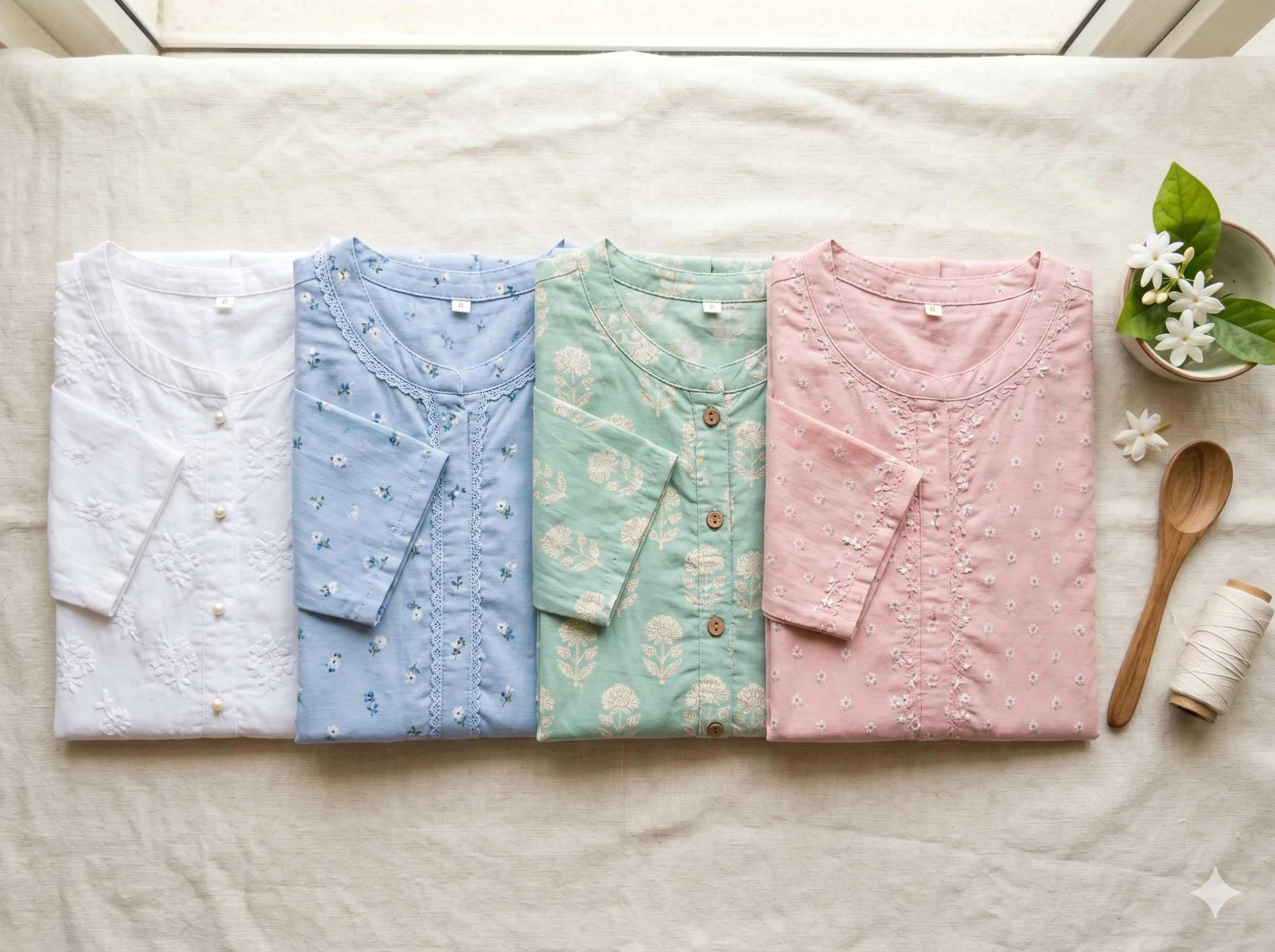
Colour is what makes a small wardrobe feel big. Stick mostly to versatile shades that pair with everything, then add a few colours for personality.
- Neutrals first: white, beige, black and soft grey go with any bottom and any accessory.
- Easy pastels: powder blue, mint and blush add freshness without clashing.
- One or two bold pieces: a maroon or deep teal kurti instantly elevates a plain outfit.
When most of your wardrobe shares a colour family, almost everything works together — which means more outfits from fewer pieces.
3. Pick Fabrics That Last
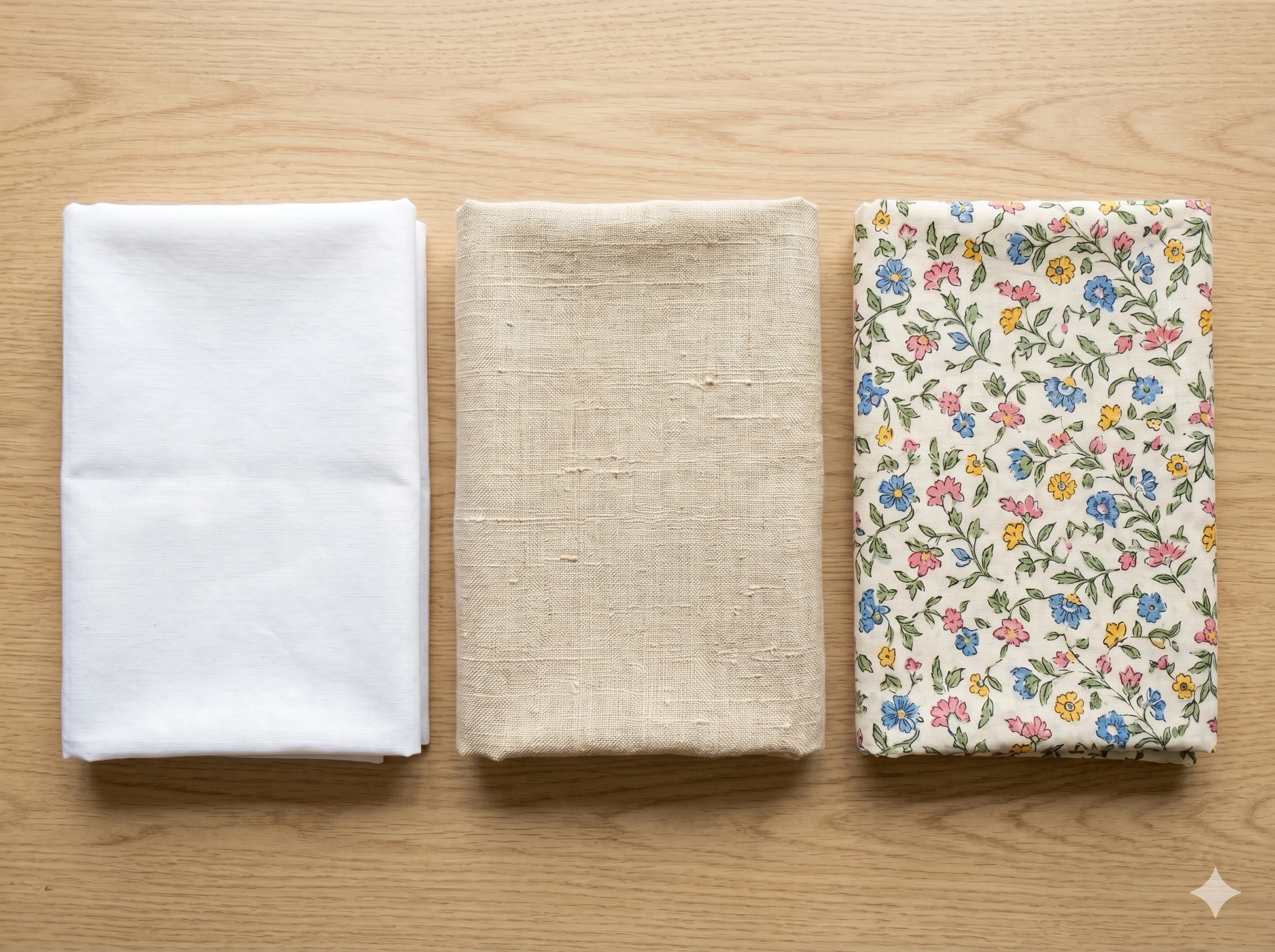
Budget shopping isn't about buying the cheapest — it's about buying the best value. A well-made cotton kurti that lasts two years is cheaper, in the long run, than three flimsy ones that fade after a few washes.
Natural fabrics give you the most value:
- Printed cotton — durable, breathable and easy to maintain for daily wear.
- Pure khadi — long-lasting and only gets softer with every wash.
4. The Mix-and-Match Formula
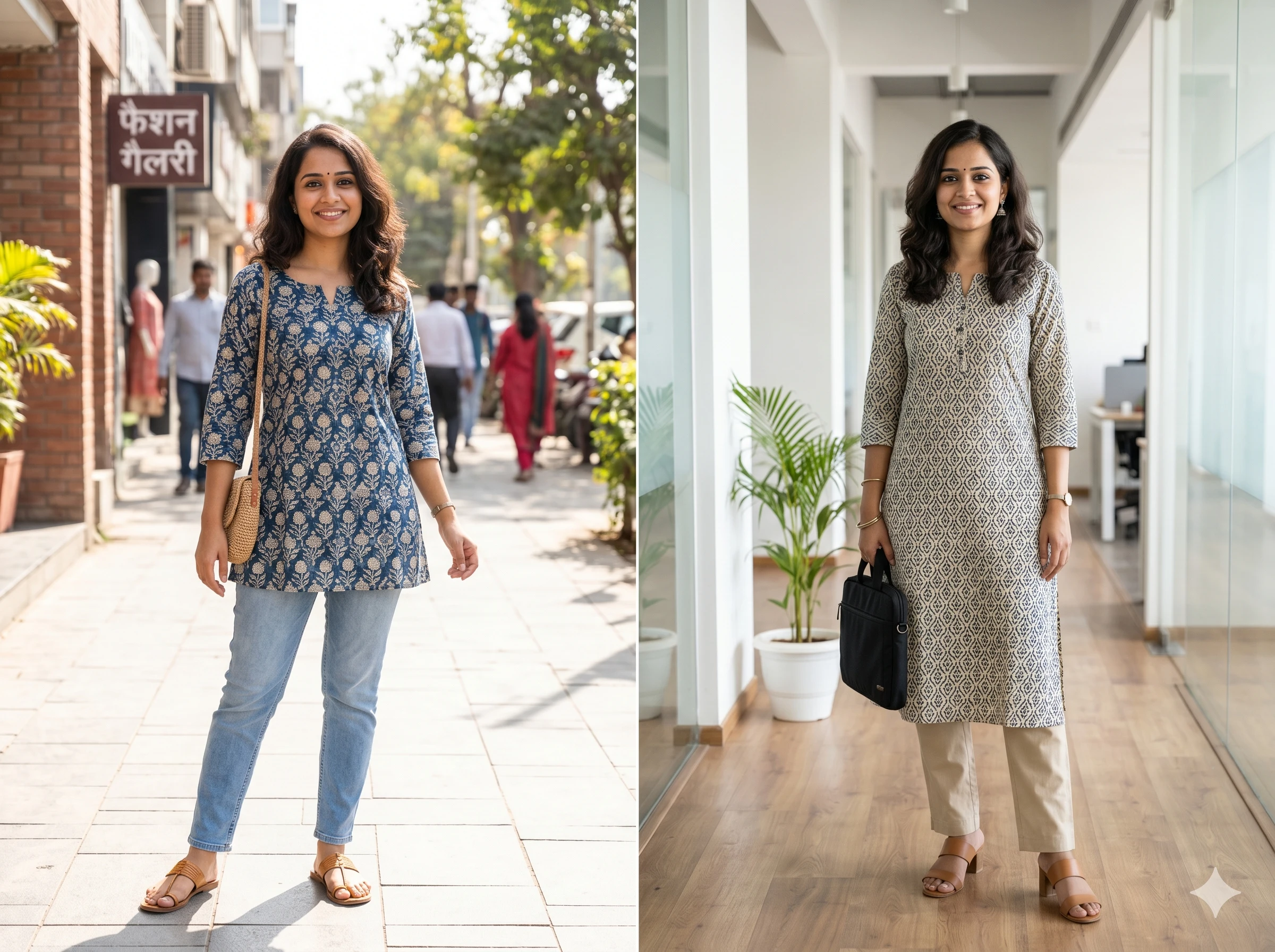
This is where a small wardrobe truly multiplies. The same kurti can look completely different depending on what you pair it with:
- + Jeans = relaxed casual or college look
- + Straight cotton pants = neat office look
- + Palazzos or leggings = comfortable everyday look
- + A dupatta and earrings = festive-ready look
Just two or three pairs of bottoms can turn ten kurtis into dozens of outfits. For more ideas, see our guide on pairing daily wear tops with different types of jeans.
5. Shop Smart: Get More for Less
A few habits help you build your wardrobe without overspending:
- Buy during sales and look out for combo offers and discounts.
- Prioritise versatile pieces over trendy ones you'll wear only once.
- Read reviews and check fabric details before adding to cart.
- Stick to your colour plan so every new kurti works with what you already own.
Browse the full Mukti Fashion collection to find affordable, everyday kurtis that fit right into a smart wardrobe.
6. Keep Your Wardrobe Organised and Long-Lasting

A wardrobe you can actually see is a wardrobe you'll actually use. Keep your kurtis folded or hung by colour so mixing and matching takes seconds. And to make them last:
- Wash in cold water and turn prints inside out.
- Dry in the shade to prevent fading.
- Store cotton and khadi in a dry, airy space.
Final Thoughts
Building a versatile wardrobe on a budget is simple: choose fewer, better pieces in colours that work together, pick fabrics that last, and learn to mix and match. Do that, and you'll always have something to wear — without ever feeling like you've overspent.
Ready to start? Explore Mukti Fashion and pick the versatile everyday kurtis your wardrobe has been missing.